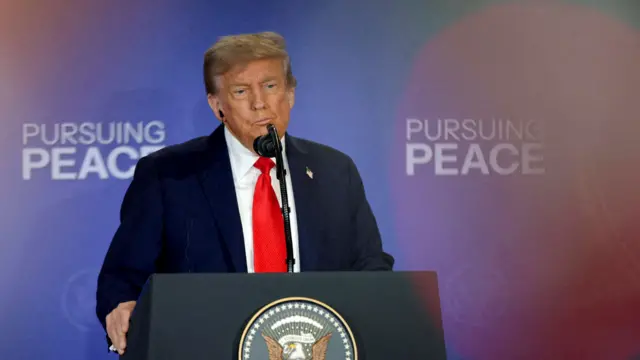
President Trump and European Leaders Hold Summit Amid Security and Trade Discussions
In a highly anticipated meeting, U.S. President Donald Trump met today in Brussels with a delegation of European leaders, including the presidents of the European Commission and the European Council, as well as several key NATO member heads of state. The summit, held against a backdrop of ongoing security challenges and lingering trade disputes, was aimed at reaffirming transatlantic ties and addressing a number of pressing issues.
The Agenda: On Defense and Dialogue
The stated agenda for the meeting was centered on three primary areas of concern for both sides:
- Defense Spending: U.S. officials pressed European allies to honor their commitments to increase defense spending to meet NATO targets. The discussion reportedly focused on a more equitable distribution of the financial burden for collective security.
- Support for Ukraine: The leaders discussed a unified strategy for continued military and economic support for Ukraine. The goal was to align policies and ensure that aid flows remain consistent in the face of a protracted conflict.
- Trade Relations: The summit also provided a platform to address ongoing trade disputes. Both sides sought to find common ground on issues related to tariffs and market access, with the goal of fostering a more stable and prosperous economic partnership.
Following the talks, a joint statement was released, which highlighted the leaders' shared commitment to transatlantic security and a unified approach to global challenges.
Outcomes and Broader Reactions
The summit concluded without any major new treaties or policy announcements. The talks were described by both U.S. and European officials as "frank" and "constructive," with an emphasis on open dialogue.
Reactions to the summit have been a mix of cautious optimism and persistent skepticism:
- From a U.S. Perspective: A White House briefing on the meeting described it as a productive effort to clarify expectations and strengthen the transatlantic alliance. The administration’s position is that direct communication is the most effective way to resolve differences and ensure allies are aligned on key strategic goals.
- From a European Perspective: European leaders noted that the dialogue was a crucial step in maintaining a vital partnership. They expressed a cautious optimism about the willingness to engage on difficult issues, even as they acknowledged that significant differences, particularly on trade and climate policy, remain.
- Analyst and Critic Viewpoints: Foreign policy analysts pointed out that while the summit's tone was positive, the lack of concrete, immediate agreements suggests that fundamental differences were not fully resolved. Critics in the U.S. and Europe expressed concern that without tangible commitments, particularly on defense funding, the meeting was more of a symbolic gesture than a substantive diplomatic breakthrough.
The Brussels summit represents a significant moment in the complex relationship between the U.S. and Europe. While it may not have produced any immediate, game-changing results, it has opened a vital channel for high-level communication. The long-term impact of the meeting will likely depend on whether the promises of continued dialogue translate into substantive policy changes in the coming months.