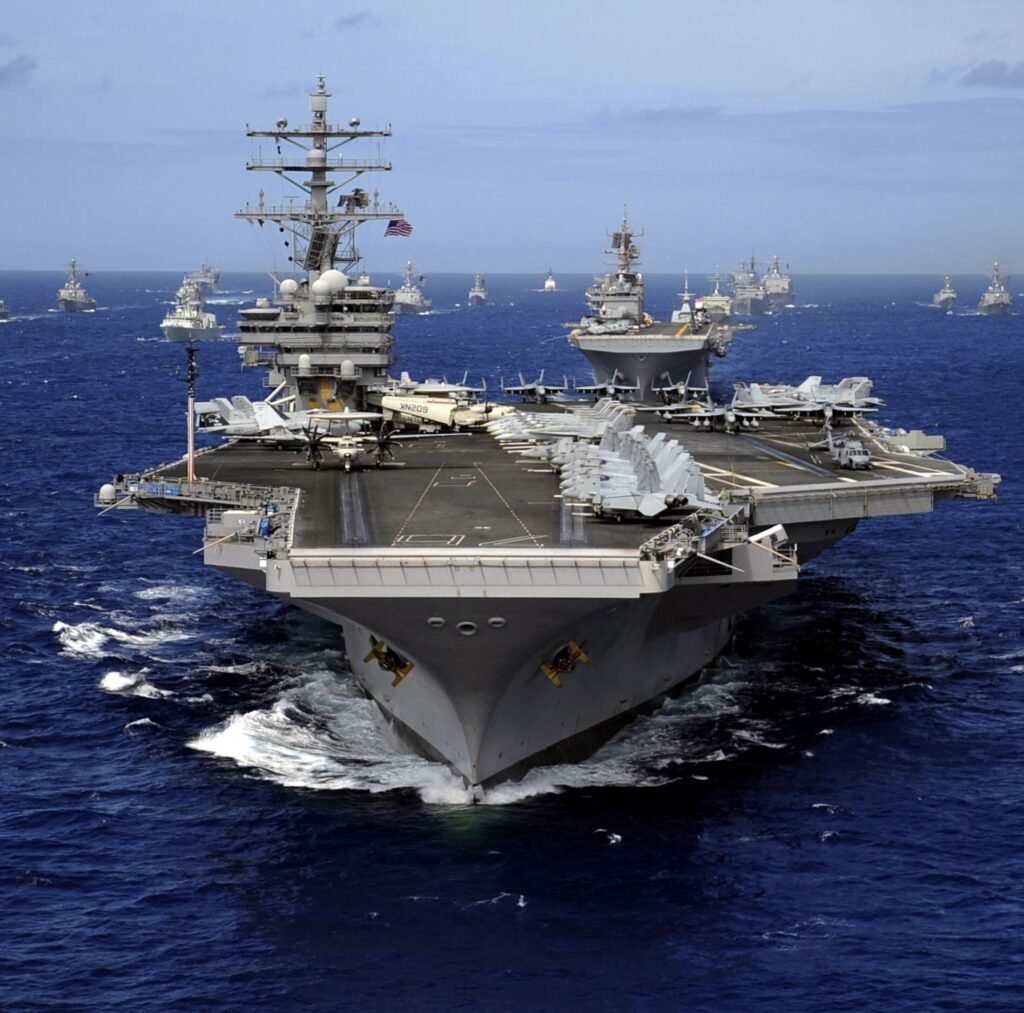
U.S. Deploys Naval Assets to Combat Drug Cartels in the Caribbean and Pacific
In a significant escalation of its anti-drug trafficking efforts, the United States has deployed naval assets to the Caribbean and Eastern Pacific. This show of force, announced by the administration, is part of a broader strategy to disrupt drug cartels, curb the flow of illicit narcotics, and address threats to regional stability. The move underscores the government's focus on national security and public health, linking the fight against drug smuggling directly to the safety of American citizens.
The Rationale: A New Focus on Drug Interdiction
The primary reason behind the naval deployment is a stated need to combat the devastating impact of illegal drugs, particularly fentanyl and cocaine, within the United States. According to official statements, drug cartels represent a direct national security threat. Their operations not only fuel addiction and overdose deaths but also generate immense profits that are used to fund a wide range of criminal activities, from human trafficking to weapons smuggling.
Officials have also emphasized the destabilizing effect of these organizations in Central and South America. The violence, corruption, and humanitarian crises caused by cartel operations pose a serious risk to the stability of countries in the Western Hemisphere. The deployment is framed as a proactive measure to weaken these criminal networks at their source and strengthen the security of partner nations.
The Deployment: A Show of Force
The deployment involves a formidable array of military and law enforcement assets. Several U.S. Navy warships, including destroyers and Littoral Combat Ships, have been assigned to the operation. They are joined by U.S. Coast Guard cutters and patrol boats, which are highly specialized in maritime interdiction. The operation also includes surveillance aircraft and intelligence-gathering assets to track and intercept drug-smuggling vessels.
This coordinated effort marks a substantial increase in maritime presence, aiming to create a a deterrent effect and significantly disrupt the drug-smuggling routes that rely on the vast expanse of the open ocean. The operation is designed to make it more difficult and more costly for cartels to move their product.
The Broader Strategy
The naval deployment is not an isolated measure but is integrated into a larger, multi-faceted strategy. Alongside the military presence, the U.S. government is focusing on enhanced cooperation with international partners to share intelligence and coordinate operations. This includes working with law enforcement agencies in various countries to dismantle the leadership and financial networks of major cartels.
The renewed emphasis on drug interdiction reflects a policy belief that securing the borders and fighting drug trafficking require a comprehensive approach that targets criminal organizations at every stage of their operations, from production to distribution. The naval deployment in the Caribbean and Pacific is a powerful and visible manifestation of this strategy, sending a clear message to criminal networks that their activities will be met with a forceful and coordinated response.