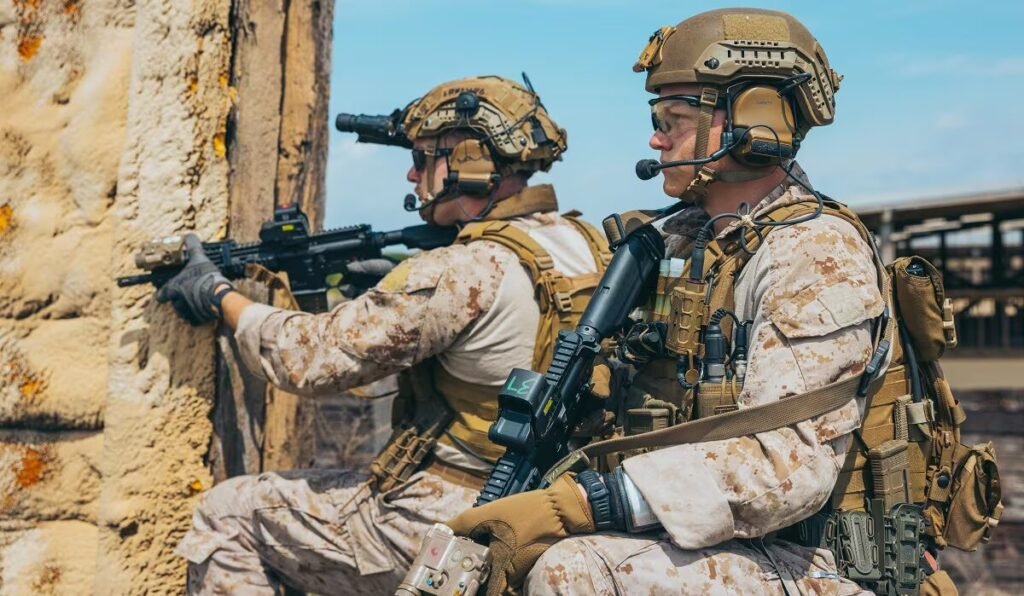
Rising Tensions in the Caribbean: A Look at the Recent U.S. Military Deployment
The Caribbean, often viewed as a tranquil region, has recently become a focal point of geopolitical tension following a significant increase in U.S. military presence. While the United States government frames the deployment as a routine exercise aimed at regional security and stability, the move has been met with apprehension and criticism from several nations in the area. The situation highlights the delicate balance between international cooperation and national sovereignty in a strategically vital part of the world.
The Rationale Behind the Deployment
According to official statements from the U.S. Department of Defense, the military deployment, which includes naval assets and air support, is part of a broader strategy to combat illicit trafficking and enhance regional security. The U.S. cites the need to partner with Caribbean nations to deter drug smuggling, illegal fishing, and other transnational criminal activities. The exercises are also said to focus on disaster response and humanitarian assistance, a common component of military cooperation in the hurricane-prone region.
The View from the Region: Why the Deployment Causes Concern
Despite the U.S.'s stated intentions, the military presence has sparked concern among several Caribbean nations and political leaders. The apprehension stems from a variety of factors:
- Sovereignty Concerns: Some governments view the large-scale military exercises as a form of intimidation or an infringement on their national sovereignty. They argue that such a significant show of force is disproportionate to the stated goals and could be seen as an attempt to assert influence in the region.
- Geopolitical Rivalries: The deployment is also viewed through the lens of ongoing geopolitical tensions, particularly with countries like Venezuela. The U.S. has a history of using military presence to exert pressure on governments it views as a threat, and critics fear that these exercises could escalate an already strained political situation.
- Risk of Escalation: An increased military footprint in the region carries the inherent risk of accidental confrontation. Opponents argue that the presence of multiple international naval and air forces in a relatively small area could lead to miscalculations and unintended conflicts.
While the U.S. and its regional allies see the deployment as a necessary measure for security, the dissent from other nations underscores the complex and sensitive nature of military activity in a region that values its independence and stability. The conflict between perceived national security and sovereign rights remains at the heart of the matter.